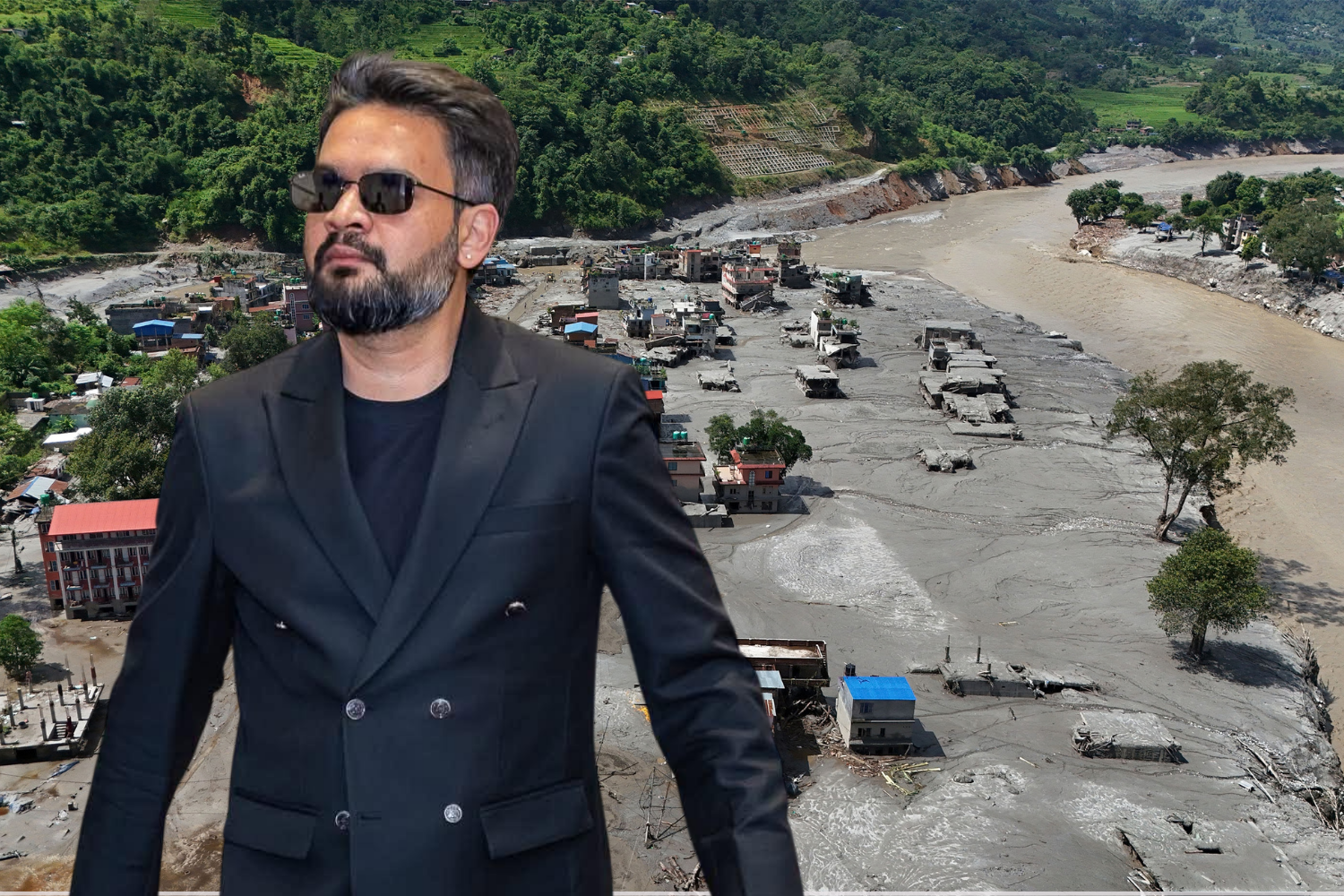
The article argues that Nepal's pursuit of climate justice from major global powers is largely futile, as foreign aid remains tethered to strategic geopolitical interests rather than humanitarian necessity. Furthermore, it critiques the current Nepali administration for prioritizing performative, digital-age governance and populist posturing over the structural reforms needed to address the nation's severe ecological and developmental vulnerabilities.
What it means to be a peripheral country in the age of uncertainties