Devastating Himalayan floods have prompted Nepal to propose a trilateral climate resilience mechanism between Nepal, India, and China to improve disaster data sharing and early-warning systems. Although geopolitical mistrust and security concerns currently hinder the initiative, experts suggest an incremental, technical approach could foster necessary cooperation to mitigate shared environmental threats.
Can Himalayan floods bridge the India-China divide?
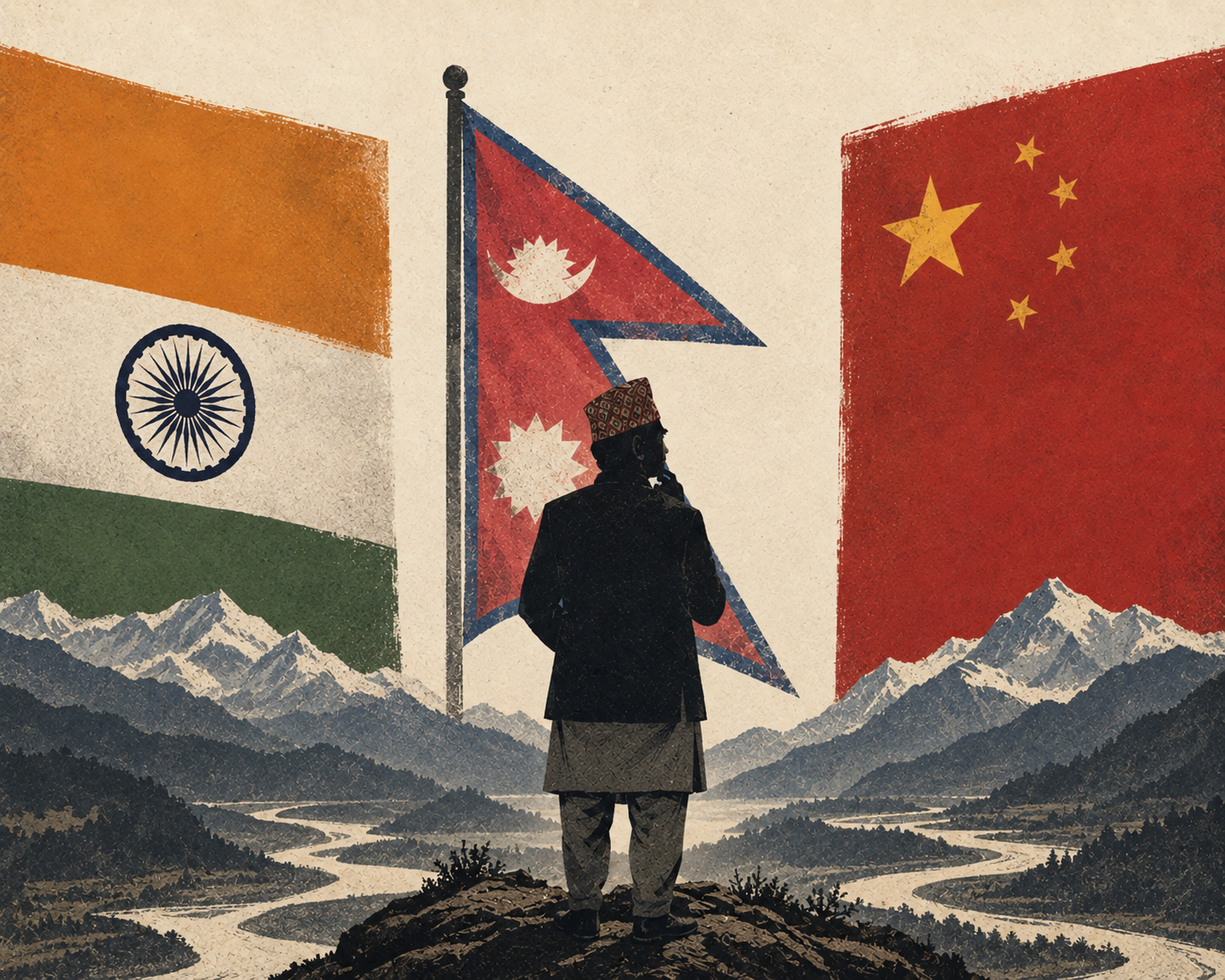
Devastating Himalayan floods have prompted Nepal to propose a trilateral climate resilience mechanism between Nepal, India, and China to improve disaster data sharing and early-warning systems. Although geopolitical mistrust and security concerns currently hinder the initiative, experts suggest an incremental, technical approach could foster necessary cooperation to mitigate shared environmental threats.
Sign in with Google to open the full article.
Related articles
Nearly 10 million Nepali children exposed to unhealthy air, UNICEF warns
A new UNICEF report reveals that nearly 10 million Nepali children are exposed to hazardous air pollution, with millions more facing threats…
How climate change is reshaping the way children grow up
Climate change is fundamentally reshaping the lives of children in Nepal by disrupting their education, health, and sense of safety through …
Improving disaster communication
While Nepal has established technical early warning systems for floods, a significant gap remains in ensuring the public understands these a…
Construction boom pushes Nepal’s mountain settlements into flood-prone areas
At least 108,500 people in Nepal are exposed to flood risks as settlements in the country’s high mountain regions expand into vulnerable are…
Latest in Climate
- Nearly 10 million Nepali children exposed to unhealthy air, UNICEF warns
- How climate change is reshaping the way children grow up
- Improving disaster communication
- Construction boom pushes Nepal’s mountain settlements into flood-prone areas
- Nepal and Bhutan propose dedicated COP31 agenda on 1.5°C warming in mountain regions